

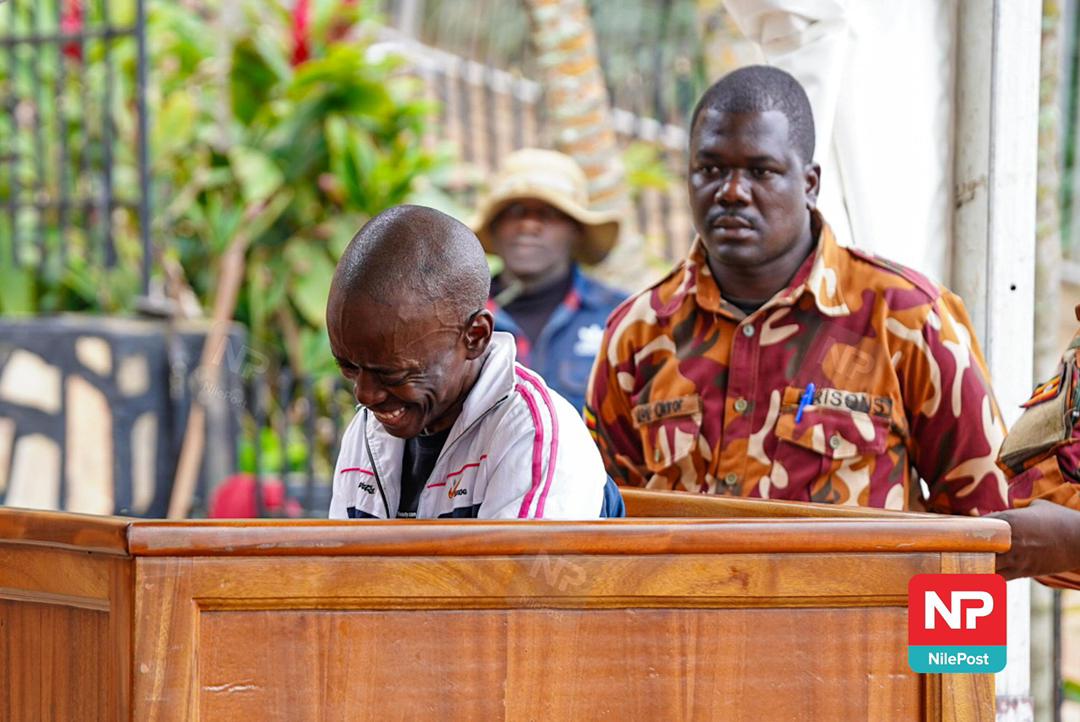
Defence lawyers in the trial of Christopher Okello Onyum have urged the High Court to carefully weigh the accused’s mental health, warning that a conviction without fully addressing the issue could alienate families living with mental illness.
In closing submissions, defence counsel Richard Kumbuga told court that the central question is not only whether the act occurred, but whether the accused had the mental capacity to form intent at the time.
“My Lord, it is on record that the accused had a history of mental illness between 2016 and 2025,” Kumbuga submitted, adding that this was supported by both medical records and testimony from family members.
He said Okello had previously attempted suicide and was admitted for treatment at Butabika National Referral Mental Hospital, arguing that this pattern points to a long-standing psychiatric condition that should be central in determining criminal responsibility.
Kumbuga challenged prosecution evidence that the accused had been declared mentally stable on December 31 at International Hospital Kampala, saying such an assessment does not conclusively rule out mental illness.
“A person with mental illness can have episodes at any time,” he told court, urging the judge to consider the possibility that Okello may not have been in full control of his mental faculties at the time of the alleged offence.
Okello is facing multiple counts of murder stemming from the April 2 incident in which four toddlers at Ggaba Nursery and Daycare Centre were stabbed to death in circumstances that shocked the country and drew widespread public attention.
Prosecutors allege that he was directly responsible for the killings, presenting the case as a deliberate act that led to the deaths of the children in what the prosecution says was motivated by desire to acquire wealth through blood-letting.
During submissions, Kumbuga attempted to reference claims that the accused had previously been denied citizenship on grounds of mental unfitness.
However, trial judge Alice Komuhangi Khaukha interjected, clarifying that the prosecution had only raised the issue and it was not formally established evidence before court.
The prosecution is currently presenting its closing submissions, after which the court is expected to provide further guidance on the next steps in the case.
